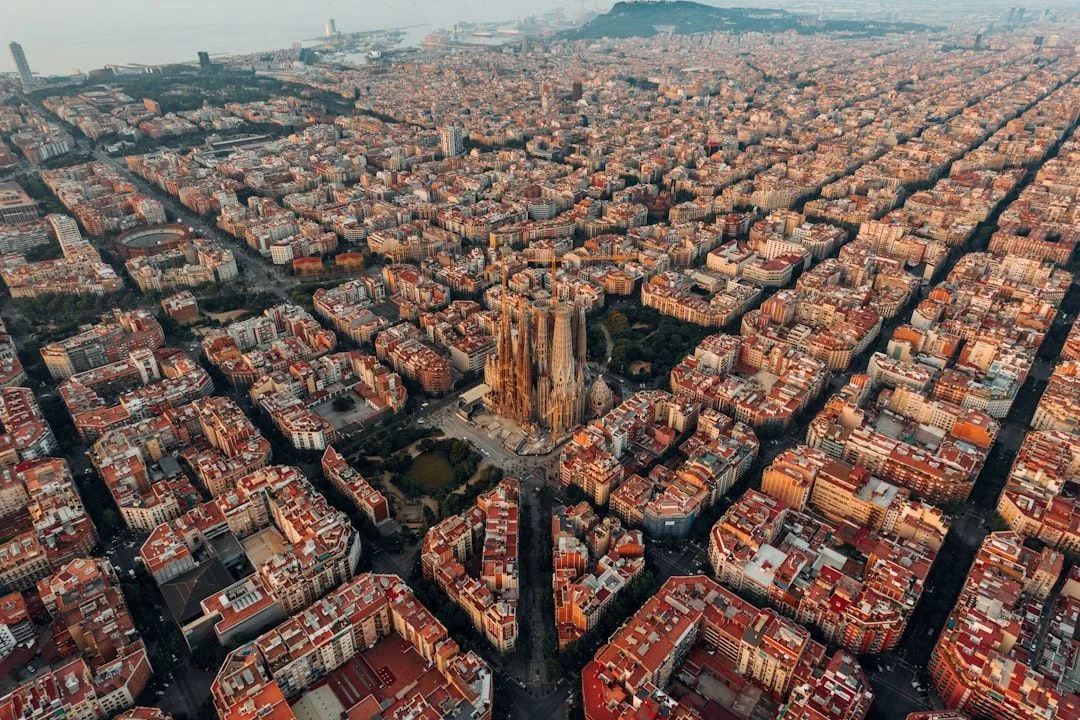
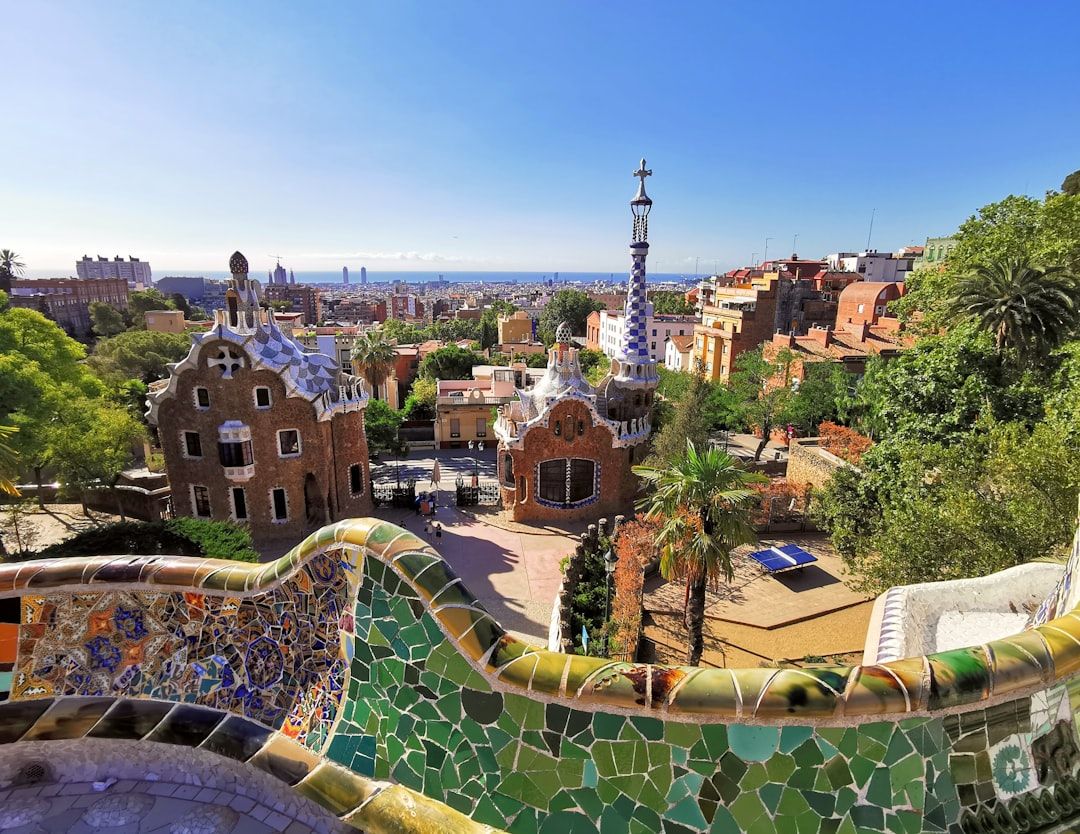
The Barcelona circuit — Sagrada Família, Park Güell, the Gothic Quarter, Casa Batlló — takes two days and is worth doing. A longer stay only makes sense if you leave it.
Gràcia
An independent town until 1897 and still feels like one. A grid of small squares, each with café tables spilling into it, independent shops rather than chains, and a genuinely local evening scene.
Plaça del Sol and Plaça de la Vila are the anchors. The Festa Major de Gràcia in August, when streets compete to decorate themselves elaborately, is the best free event in the city.
Fifteen minutes from the centre by Metro and a different city.
Poblenou
The old industrial quarter, now a mix of converted factories, design studios and quiet streets.
It has the calmest stretch of Barcelona beach — Bogatell and Mar Bella — used mostly by residents rather than the crowds at Barceloneta.
Rambla del Poblenou is the neighbourhood's own version of the famous street: shorter, quieter, and full of people who live there.
Sant Antoni and Poble-sec
Where the food is.
The Sant Antoni market is a restored iron structure with a Sunday book market around it. Carrer de Blai in Poble-sec is a pedestrian street of pintxos bars where each item costs a euro or two.
Both districts are five minutes from the centre and priced for residents.
The Carmel bunkers
A former anti-aircraft position on a hill in the Carmel district, free to reach, with the best view in Barcelona — the whole city laid out with the sea beyond.
It has become popular enough that residents have asked for restraint about noise and litter, particularly in the evenings. Going earlier in the day is both quieter and more considerate.
Collserola
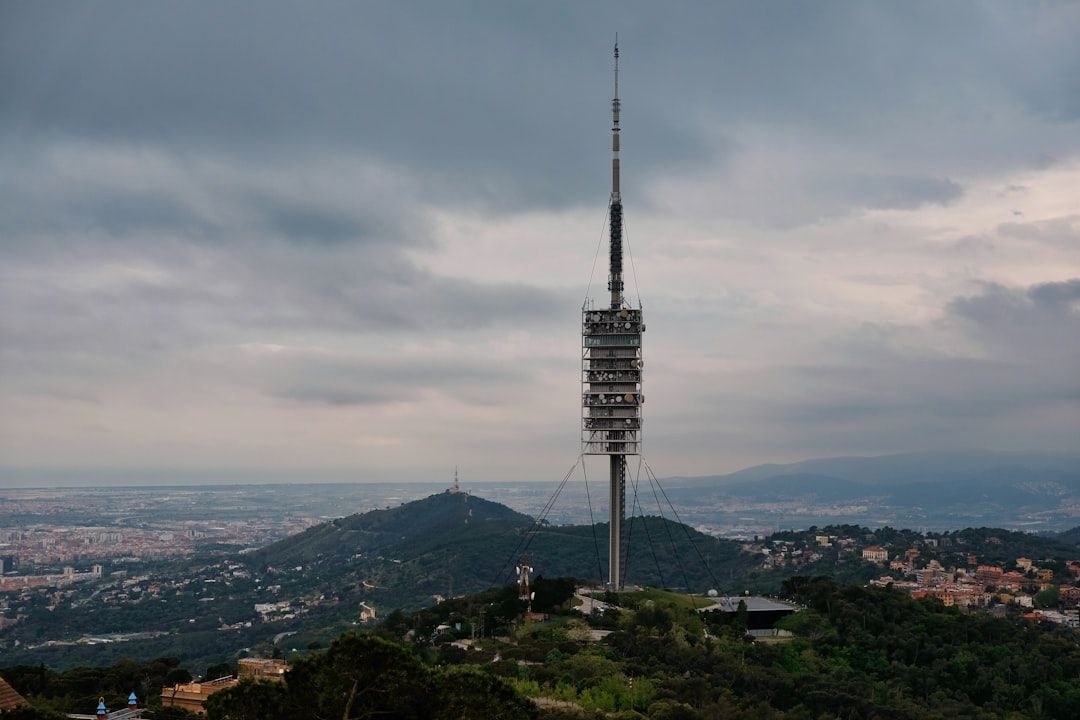
The wooded range directly behind Barcelona, reachable by FGC train in twenty minutes, with proper walking trails and the city and sea below.
Most visitors never realise it is there, which makes it the single most underused thing in Barcelona.
Day trips that are not Montserrat
| Destination | Time | What |
|---|---|---|
| Girona | 38 min AVE | Intact medieval walls, Jewish quarter |
| Sitges | 35 min train | Better beach than Barcelona's |
| Tarragona | 1h | Roman amphitheatre above the sea |
| Colònia Güell | 25 min | Gaudí crypt, almost no visitors |
Colònia Güell deserves particular mention — a Gaudí church crypt that was the structural prototype for the Sagrada Família, in a former industrial village, with a fraction of the visitors and no queue.
The tourism question
Barcelona has a well-documented tension with mass tourism. Rents rose sharply, short-term rentals displaced residents in parts of the old city, and there have been protests and municipal restrictions.
None of it is directed at individual visitors. But a few things register:
Stay in licensed accommodation. Unlicensed short-term lets are the specific grievance and are also illegal.
Stay outside the saturated streets — Gràcia, Poblenou and Sant Antoni are all pleasant, well connected and less pressured.
Catalan matters. The city is bilingual and signage is often Catalan first. Spanish is universally understood, but bon dia and gràcies are noticed.
Practical
A T-casual ticket gives ten Metro, bus and tram journeys for around €12.55. Book the Sagrada Família two to four weeks ahead and Park Güell's Monumental Zone likewise; nothing else needs advance tickets.
Pickpocketing is organised on La Rambla, the Metro and around the Sagrada Família. Bag in front, nothing in back pockets.