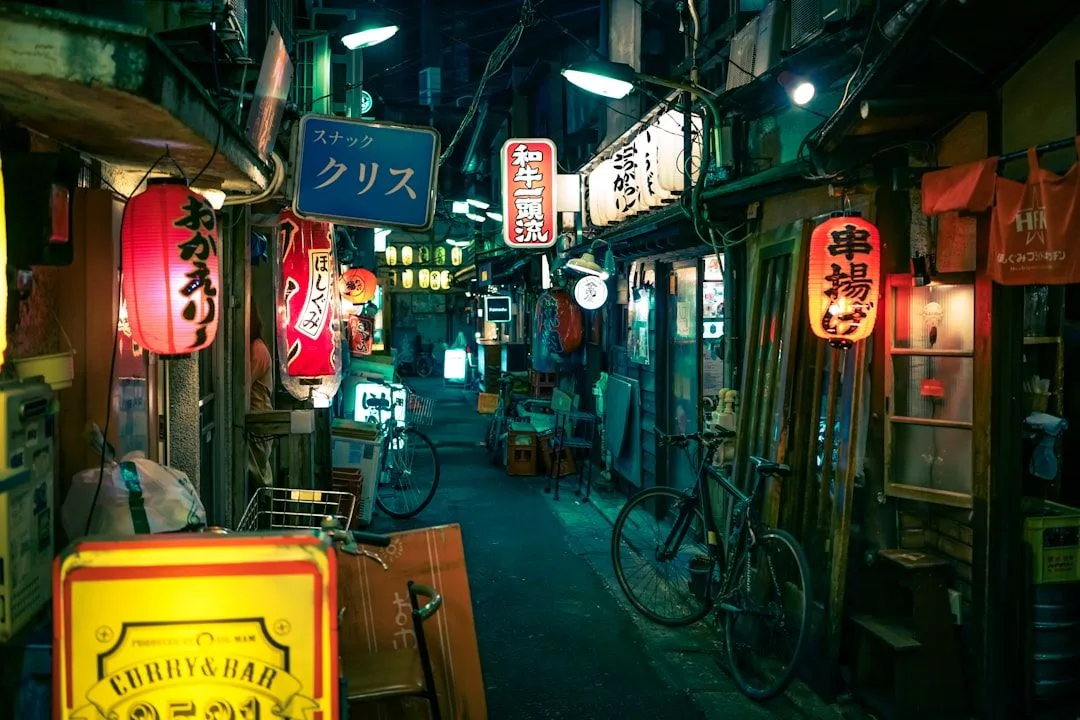
Cities do not stay uncrowded by accident. Each of these avoided mass tourism for a specific reason, and knowing the reason tells you what to expect when you get there.
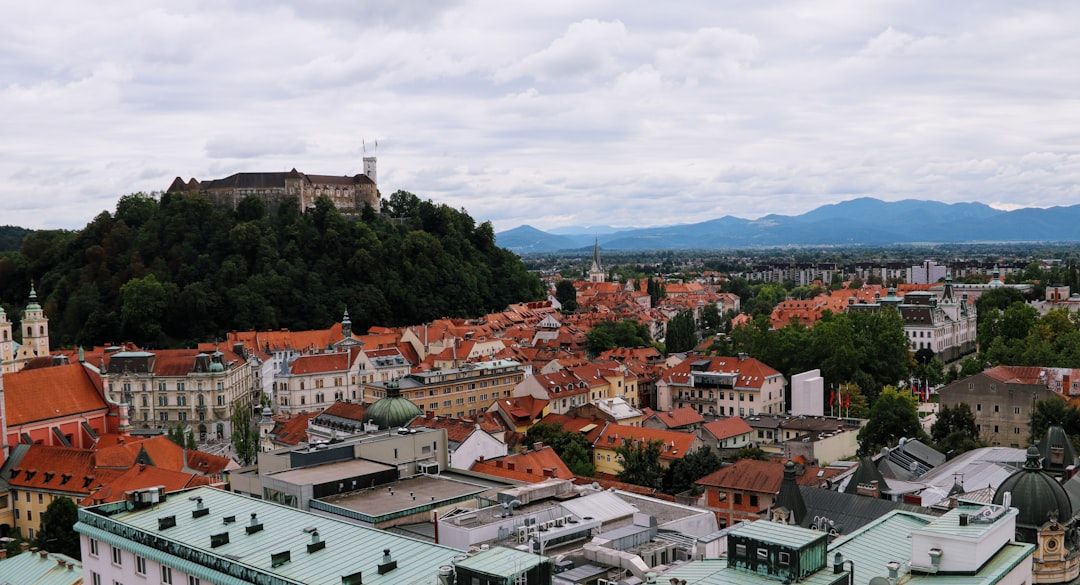
Turin — overshadowed at home
Italians know Turin as an industrial and administrative city, so it never entered the Rome–Florence–Venice corridor that most itineraries follow.
What it actually has: the Museo Egizio, the best Egyptian collection outside Cairo. Eighteen kilometres of arcaded streets built so the royal family could walk in the rain. The historic cafés where vermouth and the aperitivo were invented — the credit for which Milan has largely taken. And the Alps visible at the end of the streets.
Prices are ordinary northern Italian; the crowds are not.
Wrocław and Gdańsk — overshadowed by Kraków
Poland's tourism concentrated on Kraków, which left two excellent cities comparatively quiet.
Wrocław has a market square that rivals Kraków's, a hundred islands and bridges, and several hundred small bronze dwarf statues hidden around the city that children spend days finding.
Gdańsk has a reconstructed Hanseatic waterfront, the Solidarity museum which is one of the best modern museums in Europe, and the Baltic coast beside it.
Both cost noticeably less than Kraków.
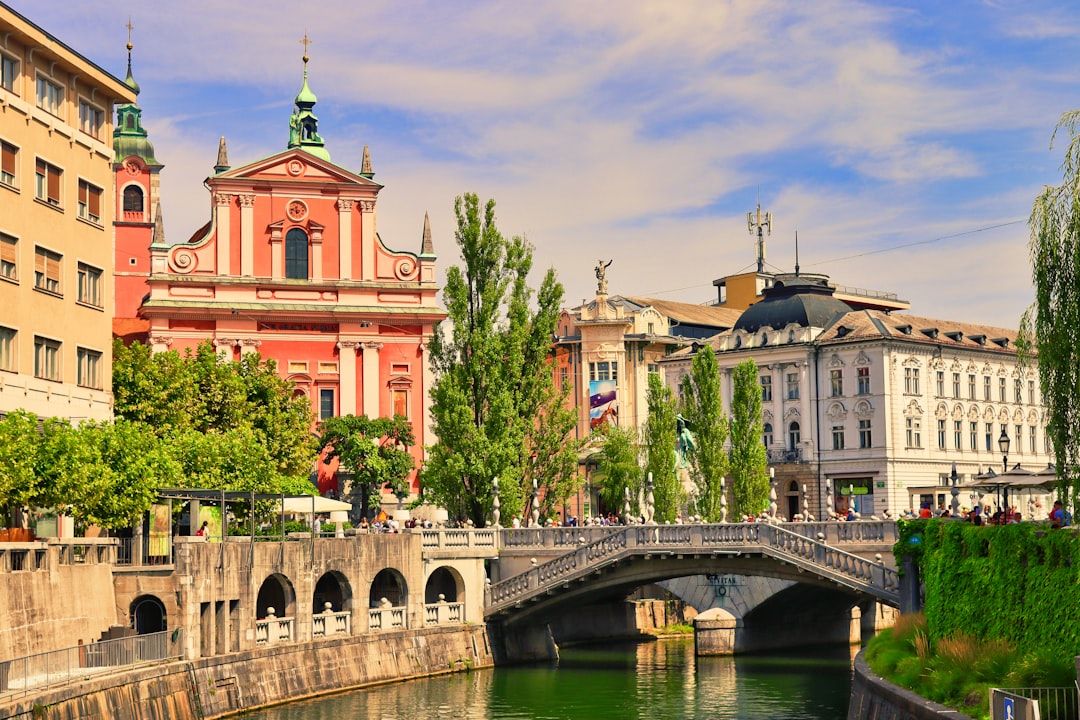
Ljubljana — passed through
Slovenia is small enough that most visitors treat it as a corridor to the coast or the Alps, so the capital gets a night rather than a stay.
It is one of the most walkable capitals in Europe: a compact riverside centre closed to cars, a castle above reached by funicular, and a covered market by Plečnik whose architecture defines the city.
Lake Bled is an hour away, the Julian Alps ninety minutes, and Trieste and Venice are day trips.
Tirana, Belgrade, Sofia — reputation lag
These three suffer from reputations formed decades ago and not updated.
Tirana has changed dramatically in ten years — painted buildings, Bunk'Art in a Cold War bunker complex, and the Dajti cable car to the mountain above.
Belgrade has the fortress above the confluence of the Sava and Danube, some of the best nightlife in Europe, and a substantial food culture.
Sofia has Roman ruins visible under the modern centre, the Alexander Nevsky cathedral, and Vitosha mountain reachable by public transport for a day's hiking.
All three are among the cheapest capitals in Europe.
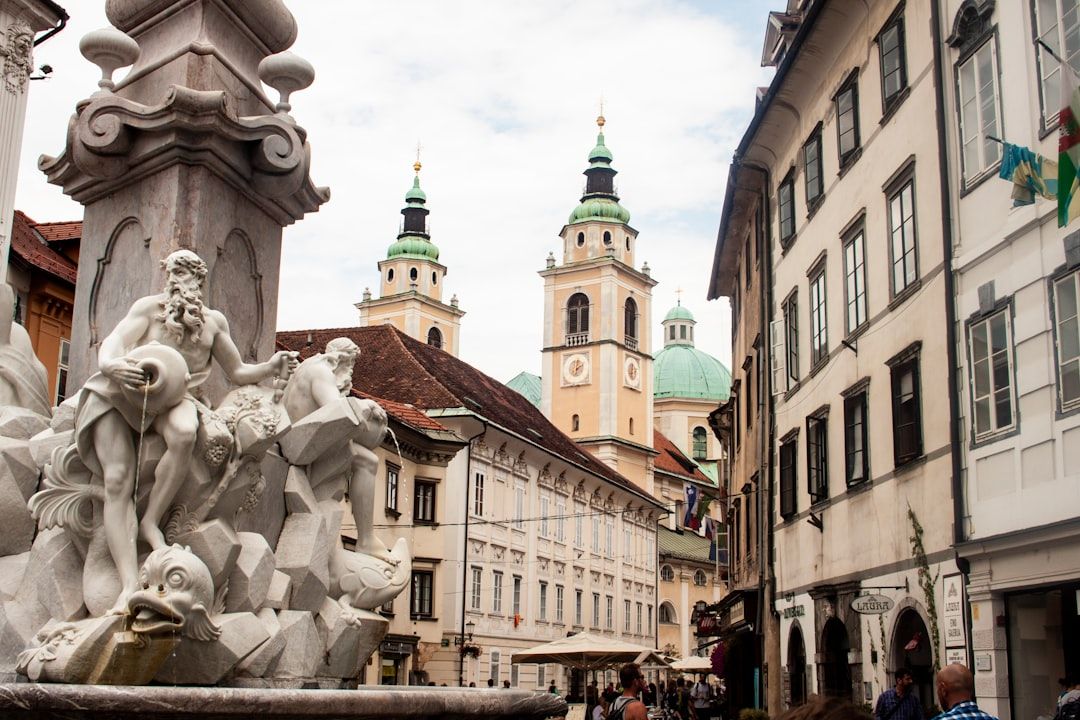
The others worth knowing
| City | Country | Why quiet |
|---|---|---|
| Ghent | Belgium | Overshadowed by Bruges |
| Trieste | Italy | Border city, off the main routes |
| Braga | Portugal | Overshadowed by Porto |
| Girona | Spain | Day-tripped from Barcelona, rarely stayed in |
| Kaunas | Lithuania | Overshadowed by Vilnius |
| Novi Sad | Serbia | Little airline coverage |
The pattern
Three causes recur: no low-cost airline base, a more famous city in the same country, and a reputation that has not caught up.
The first is the one that changes. When a budget carrier opens a base, visitor numbers follow within a couple of years — which is roughly what happened to Kraków, Porto and Tirana in turn.
So the practical advice is to go to the ones without a low-cost base now, and expect the list to be different in five years.