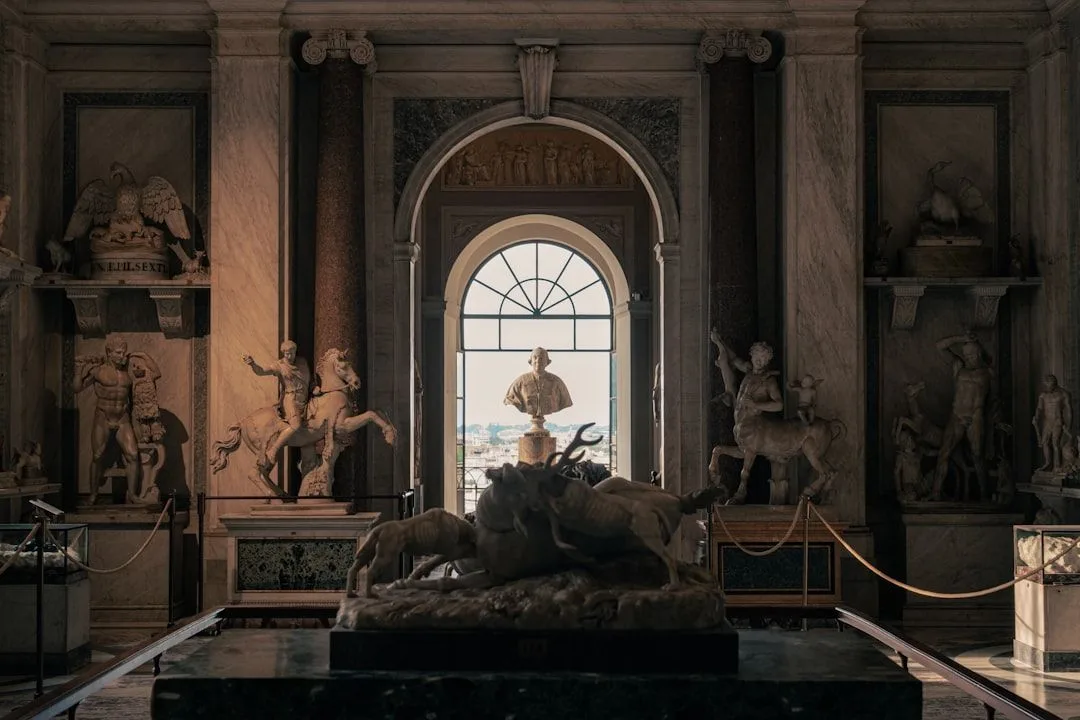
Paris receives more visitors than almost any city on earth and they concentrate into roughly six arrondissements. The eastern half of the city is left largely to Parisians, and it is where the food is cheapest and the streets are calmest.
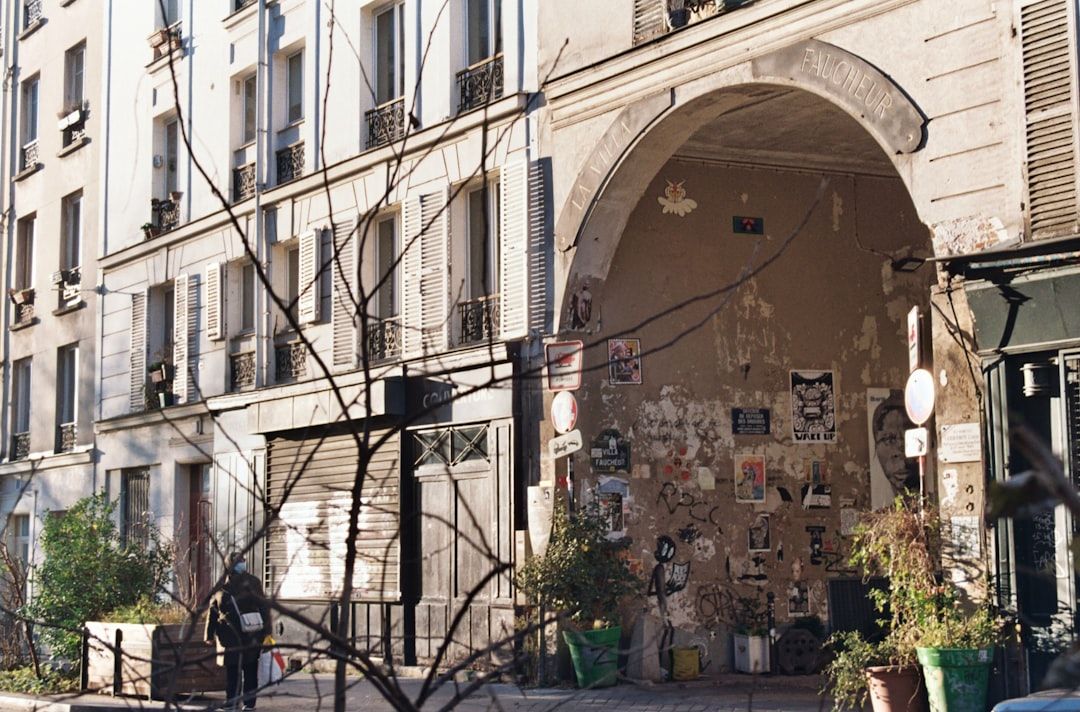
Belleville and Ménilmontant
The 19th and 20th, up the hill east of the centre. Working, residential, and one of the most diverse parts of the city — Chinese, Vietnamese, North African and Jewish communities layered over each other.
Parc de Belleville has a view over the whole of Paris that rivals Montmartre's and has almost nobody on it.
The street art here is the best in the city, particularly along Rue Denoyez. The food is excellent and cheap — a bowl of pho or a Tunisian sandwich for €8.
Père Lachaise cemetery is at the edge of it, free, and one of the great walks in Paris.
Butte-aux-Cailles
In the 13th, a village on a hill that escaped Haussmann's rebuilding. Low houses, cobbled streets, ivy, small bars, and a public swimming pool from 1924 fed by an artesian well.
It is fifteen minutes from Notre-Dame and feels like a different town.
The Coulée verte
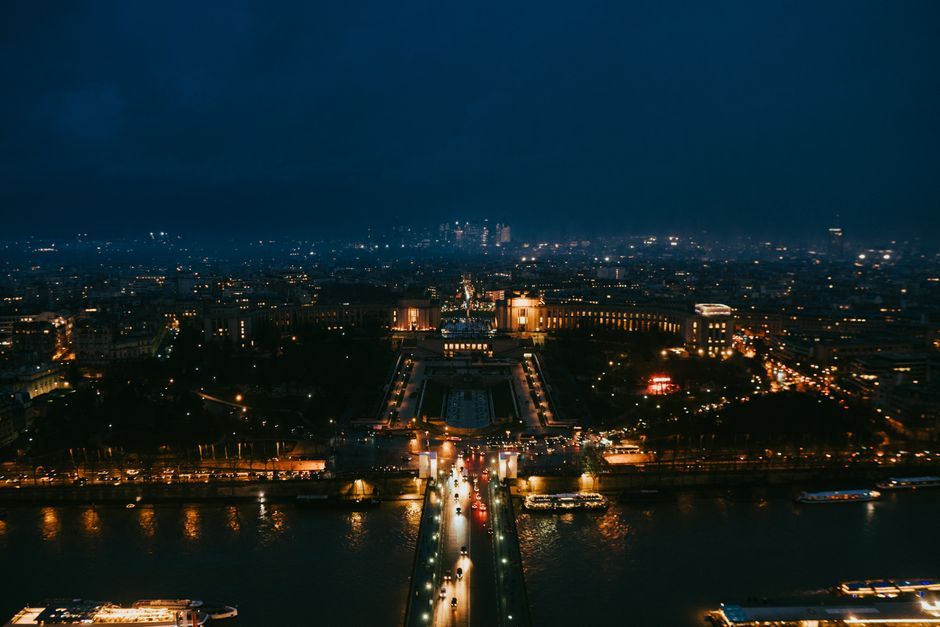
A 4.5-kilometre elevated park on a disused railway viaduct running east from Bastille. It predates and inspired New York's High Line and gets a fraction of the attention.
Free, planted, and largely empty. The arches beneath it — the Viaduc des Arts — house craft workshops: instrument makers, restorers, cabinetmakers.
The covered passages
Nineteenth-century glass-roofed shopping arcades, mostly in the 2nd and 9th, that survive from before the department store.
Galerie Vivienne is the grandest. Passage des Panoramas is the oldest and holds stamp and postcard dealers. Passage Jouffroy and Passage Verdeau continue the chain northward with antiquarian bookshops and old restaurants.
Free, indoors, and an ideal wet afternoon. You can walk between most of them in two hours.
Canal Saint-Martin
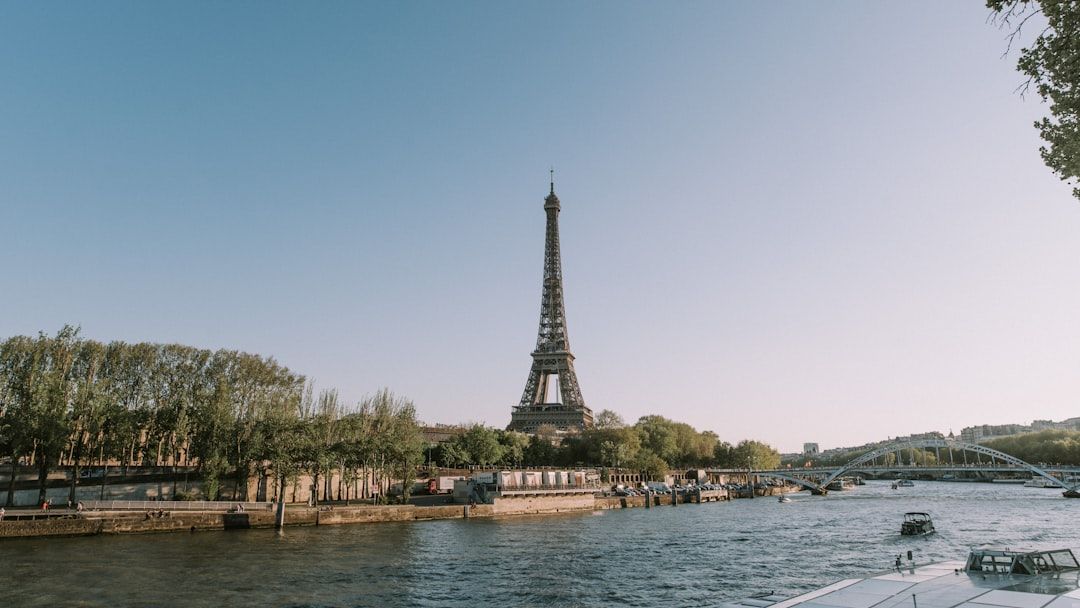
The 10th. Iron footbridges, plane trees, locks, and on summer evenings the entire neighbourhood sitting on the quays with bottles of wine.
The area around it — Rue de Marseille, Rue Beaurepaire — has the independent shops and cafés that the Marais had twenty years ago.
Other quiet things
| Place | What |
|---|---|
| Musée Carnavalet | The city's history, free permanent collection |
| Petit Palais | Free permanent collection, courtyard café |
| Parc des Buttes-Chaumont | Cliffs, a temple, a waterfall, in the 19th |
| La Campagne à Paris | A pocket of country cottages in the 20th |
| Marché d'Aligre | The best and cheapest market in central Paris |
Why it stays quiet
Nothing here is on a monument list, and the eastern arrondissements have no single landmark to organise a visit around. That is precisely what keeps them as neighbourhoods rather than attractions.
All are on the Métro and none is more than twenty minutes from the centre. Accommodation in the 10th, 11th, 19th and 20th also costs 25–35 percent less than the central arrondissements, which is the other argument for staying out here.