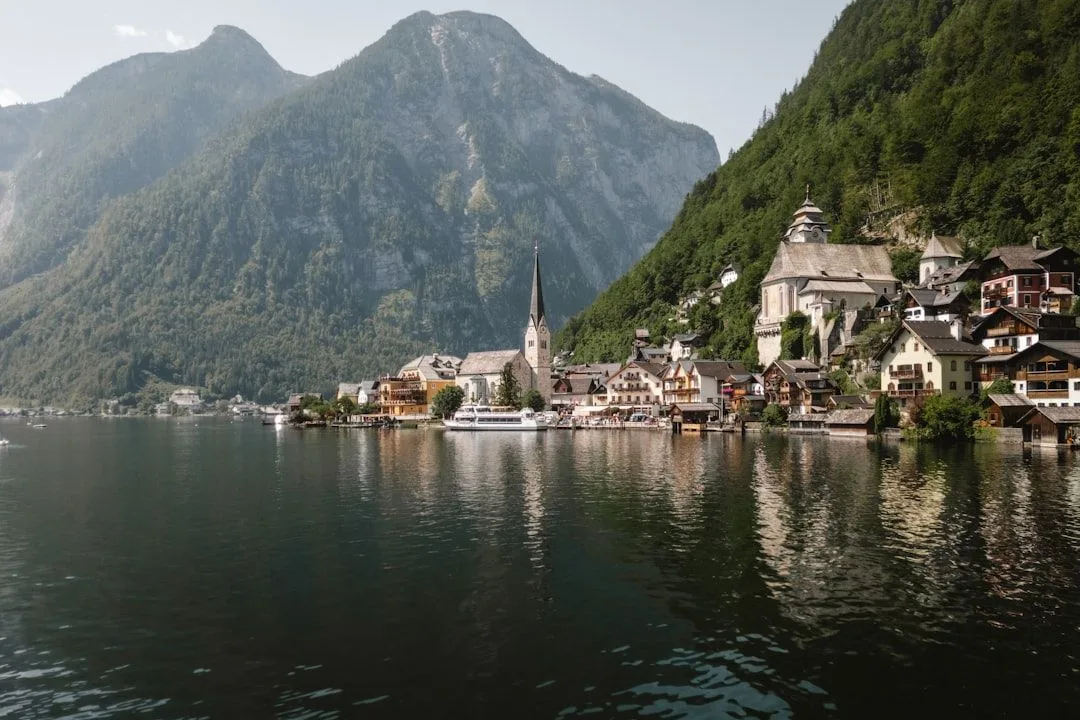
Hanoi is one of the few Asian cities where the street plan itself is the attraction, and it is largely illegible without knowing the organising principle.
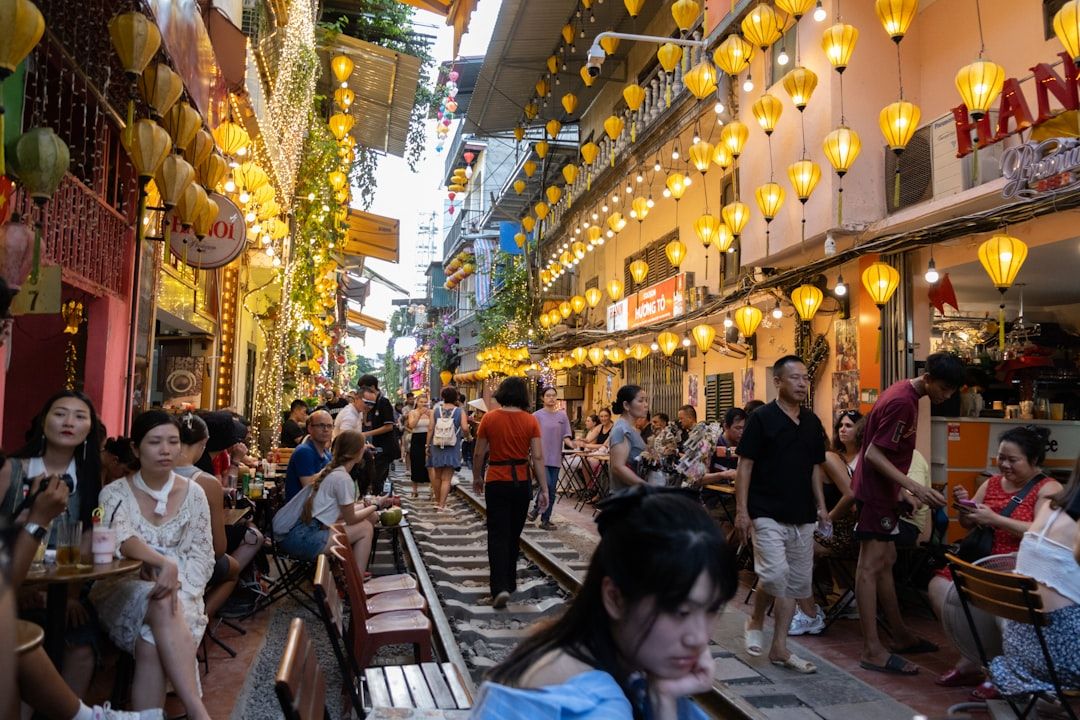
The Old Quarter's logic
Thirty-six streets, each historically dedicated to a single trade. The names begin with Hàng, meaning merchandise, followed by the product.
Hàng Bạc — silver. Hàng Gai — silk. Hàng Thiếc — tin, and it still rings with metalwork. Hàng Mã — paper votive offerings, which at festivals fills with paper houses and motorbikes to be burned for ancestors.
Many streets still follow their trade. Once you know the system, a walk through the quarter becomes readable rather than chaotic — you can predict what the next street sells from its name.
That is the single most useful thing a guide tells you here, and it takes one sentence.
Where a guide genuinely helps
A street food tour, once. Hanoi's food is highly localised — bún chả, chả cá and egg coffee are city specialities rather than Vietnamese ones. The value is learning which stalls run at which hours, what to order, and how the northern cooking differs from the south. You then use it all week.
The Ho Chi Minh complex and the History Museum, where the twentieth-century narrative matters and is presented from a particular perspective that benefits from context.
Ninh Binh, if you would rather not organise transport and a boat yourself.
What needs no guide
The Old Quarter itself, once you know the naming. Getting lost in it is the activity.
Hoan Kiem Lake at 5:30am, when the city exercises around it — tai chi, badminton, groups of older women dancing. This is the best free thing in Hanoi and almost no visitors are awake for it.
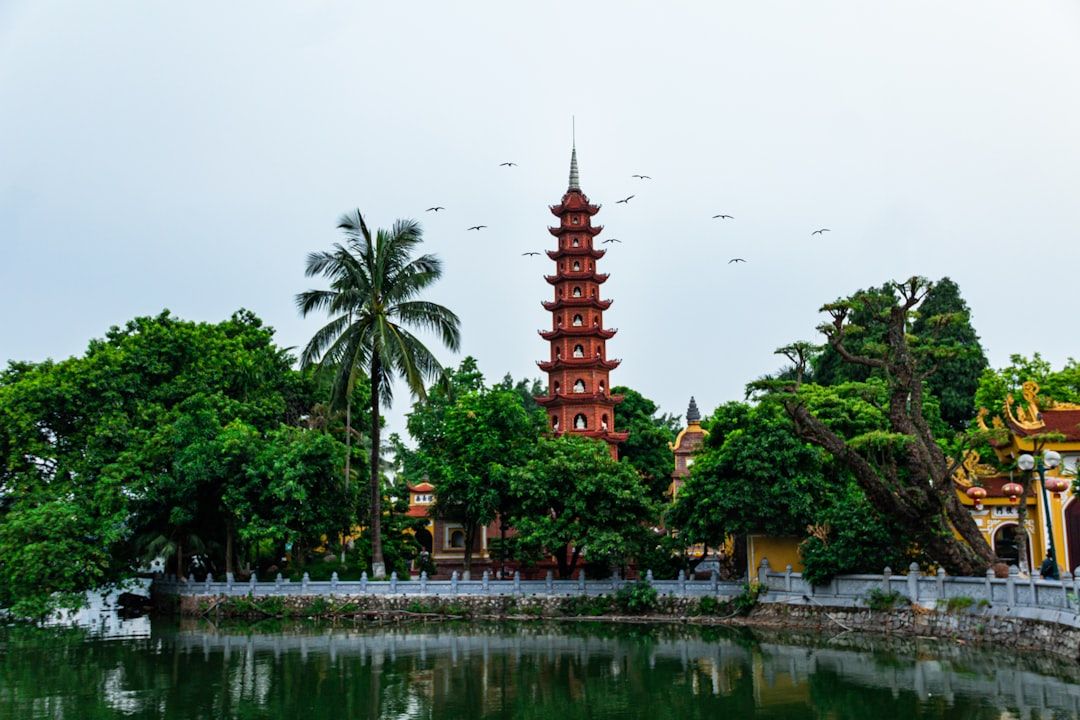
The Temple of Literature, Vietnam's first university, founded in 1070.
Train Street, where a train passes within centimetres of the houses. Access has been restricted and reopened repeatedly for safety reasons; check the current position locally.
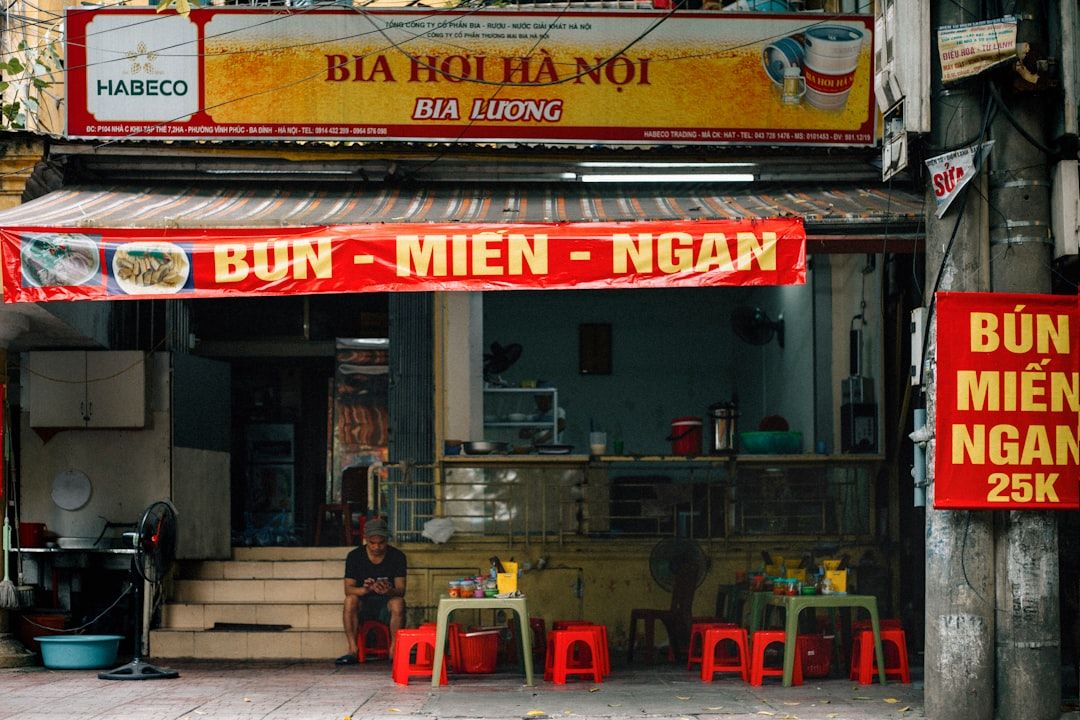
Bia hơi corners — fresh draught beer at 5,000–15,000 dong a glass, on plastic stools, which is a genuine institution.
The traffic
The first impression is chaos. It is a different system with one rule: everyone predicts everyone else's continuous path and steers around it.
So you cross by walking slowly and steadily without stopping. The motorbikes flow around you. Stopping abruptly or darting is what causes accidents, because it invalidates the prediction every rider has made.
It is terrifying for about two days and then unremarkable. The exception: cars, buses and trucks cannot manoeuvre the same way, so wait for a genuine gap.
Day trips
| Destination | Time | Verdict |
|---|---|---|
| Ninh Binh | 2h each way | Best day trip — karsts, rice paddies, cycling |
| Ha Long Bay | 4h each way | Needs an overnight to be worth it |
| Cat Ba / Lan Ha Bay | 3–4h | Quieter alternative, 2 nights |
| Perfume Pagoda | 2h each way | Boat and cable car, busy at festival time |
Ninh Binh is the efficient choice — limestone karsts rising out of rice paddies, rowed through on a small boat and cycled between.
Ha Long is worth doing on an overnight boat rather than as a day trip, and Lan Ha Bay from Cat Ba is less crowded than the main circuit.
Practical
Hanoi is cash-based for visitors — the QR payment apps need a Vietnamese bank account. Bargaining applies in markets, not in restaurants with posted prices.
Winter, December to February, is genuinely cold and drizzly at 12–16°C, which surprises people who packed for the tropics.