Rome, Florence and Venice absorb the overwhelming majority of Italy's visitors. The regions between and beyond them have comparable hill towns, art and food, and a fraction of the crowds.
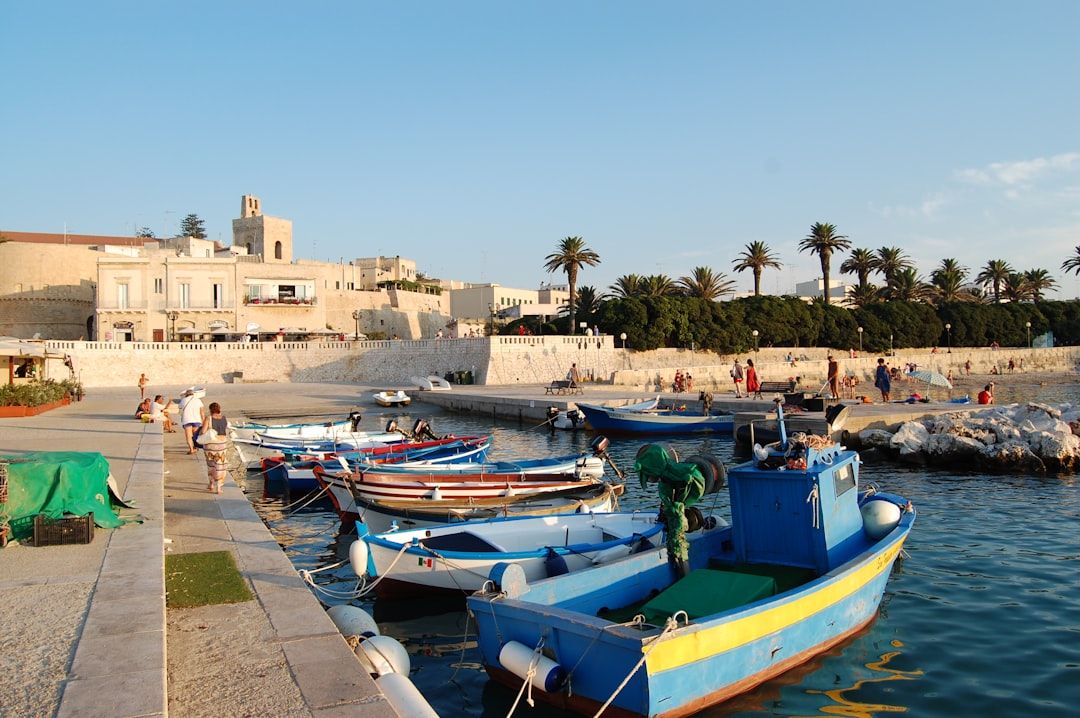
Puglia
The heel. Lecce is a baroque city built in soft golden limestone that carves like wood, and it is genuinely one of the most beautiful small cities in Italy.
Beyond it: the Salento peninsula with two coastlines and clear water, Ostuni white on its hill, the trulli of Alberobello, and the Gargano peninsula in the north with forest running down to the sea.
Puglia is busier than it was — Alberobello and Polignano a Mare are now crowded in summer — but the interior and the Salento remain quiet, and prices are well below Tuscany.
Le Marche
The region most often described as "Tuscany thirty years ago", which is a cliché and is roughly accurate.
Hill towns, the Sibillini mountains, a long Adriatic coast, and Urbino — a Renaissance ducal palace and a UNESCO city that receives almost no international visitors.
The Frasassi caves are among the largest in Europe. Ascoli Piceno has a travertine square that rivals anything in Umbria.
Umbria
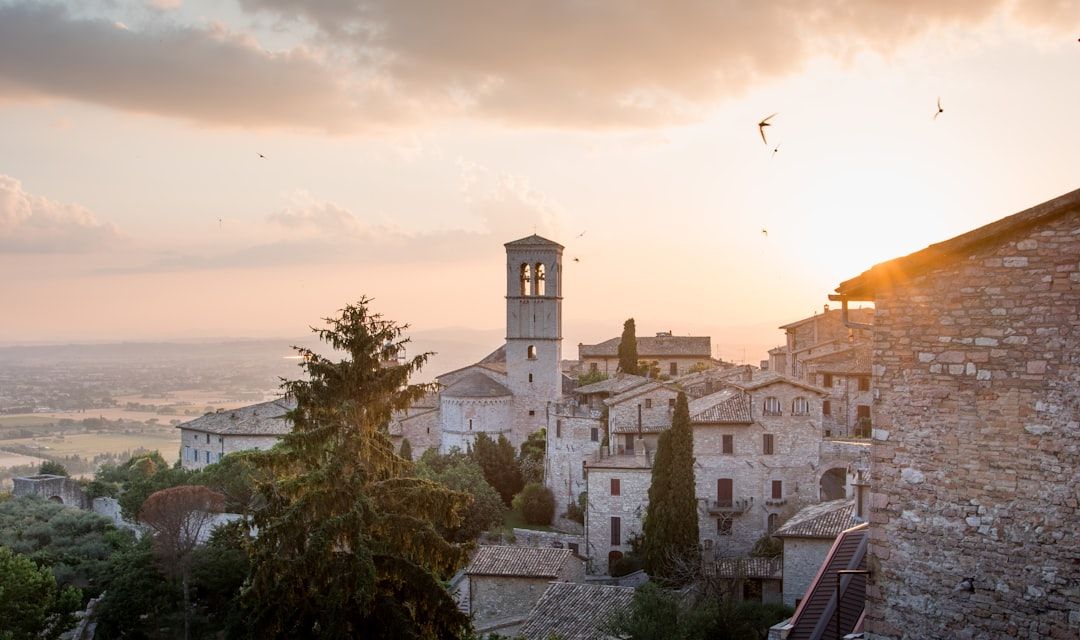
Next to Tuscany and much quieter. Assisi is the exception and is busy; Spello, Gubbio, Todi and Orvieto are not.
Orvieto in particular sits on a plateau above the plain with a striped cathedral and an underground city of Etruscan tunnels, and it is an hour from Rome by train.
Piedmont
Turin, covered elsewhere, plus the Langhe — the wine hills producing Barolo and Barbaresco, a UNESCO landscape of vineyards and castles that looks like Tuscany and costs less.
Alba in autumn for the white truffle. The Alps an hour away.
Basilicata
Matera is the reason — a city of cave dwellings carved into a ravine, inhabited for nine thousand years, abandoned as a slum in the 1950s and now restored. It has become better known since being a European Capital of Culture, and it is still nothing like Florence in volume.
The rest of Basilicata is mountainous, empty and very cheap.
Abruzzo and Molise
The emptiest regions in Italy. Abruzzo has three national parks, wolves and bears, and a coastline. Molise is so little visited that Italians joke it does not exist.
Both are genuinely rural rather than picturesque-rural, which is the appeal and the caveat.
Practical
| Rural regions | Tuscany / Veneto | |
|---|---|---|
| Double room | €55–90 | €110–200 |
| Restaurant meal | €20–30 | €35–55 |
| Agriturismo | €60–100 | €120–220 |
You need a car. Trains connect the main towns; the hill villages do not have useful bus service. Rent locally from a regional city rather than driving from a major airport.
ZTL fines are the main risk. Nearly every historic centre is a camera-enforced restricted zone, and driving in generates an €80–120 fine per entry, forwarded months later with a rental administration charge. Follow the blue P signs on the ring road, park outside the walls, and walk in — Italian towns are small.
Sundays and mid-August close a lot of rural restaurants. Check before relying on a village having somewhere open.