Quick answer: Almost everything genuinely worth finding in London sits inside Zones 1 and 2, and roughly half of it is free. What keeps it quiet is not distance — it is opening hours. Sir John Soane’s Museum shuts Monday and Tuesday, God’s Own Junkyard opens Friday to Sunday only, and Eel Pie Island lets the public in on about four days a year.
Every guide to lesser-known London points you to Zone 4 as if obscurity were a function of travel time. It is not. London is a city of a thousand small institutions with eccentric opening patterns, most of them a ten-minute walk from a station you already use. The reason you have not been to the Wallace Collection is not that it is far. It is that nobody told you it is free, houses one of the best collections of eighteenth-century French painting outside Paris, and sits behind Oxford Street.
So this is organised by the thing that actually stops people: when a place is open, what it costs, and whether the queue is real. Prices are 2026 estimates in pounds and change; opening days change more often than prices, so check before you cross town.
What does ‘hidden’ actually mean in London?
Three categories, and they need different tactics.
The first is free and open but unadvertised — Postman’s Park, St Dunstan-in-the-East, the Wallace Collection. These take no planning at all; you simply have to know they exist.
The second is free but time-gated. Sir John Soane’s Museum, God’s Own Junkyard, Columbia Road Flower Market. Turn up on the wrong day and there is nothing there. This is where most visitors lose an afternoon.
The third is booking-gated: Dennis Severs’ House, Highgate Cemetery’s West side, the Crossness Pumping Station open days, Eel Pie Island. These stay quiet permanently because the gate is real.
Key point: Build a day around one booking-gated place and fill the gaps with free ones nearby. Do it the other way round and you will spend the day on the Circle line.
Which free places are genuinely worth the trip?
| Place | Nearest station | Cost | Opening reality |
|---|---|---|---|
| Sir John Soane’s Museum | Holborn | Free | Wed–Sun only; book a timed slot or queue at the door |
| Wallace Collection | Bond Street | Free | Daily; the courtyard restaurant is the calmest lunch in W1 |
| Postman’s Park | St Paul’s | Free | Daylight hours; ten minutes is enough |
| St Dunstan-in-the-East | Monument | Free | Roughly 08:00–19:00; busiest at lunchtime with City workers |
| God’s Own Junkyard | Walthamstow Central | Free | Friday to Sunday only — this catches people out constantly |
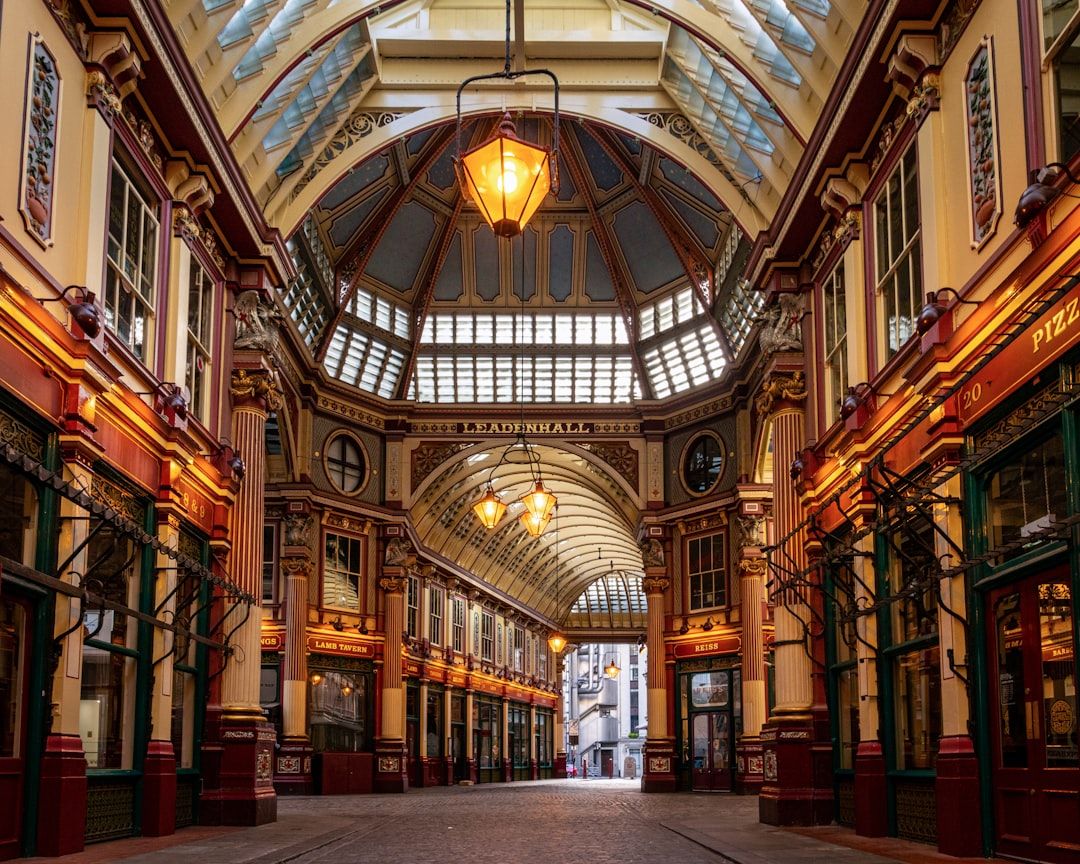
| Leadenhall Market | Bank | Free | Beautiful and empty at weekends because every trader is shut |
| Columbia Road Flower Market | Hoxton | Free | Sundays, roughly 08:00–15:00; go before 09:00 or after 14:00 |
| Wilton’s Music Hall | Tower Hill | Free bar; tours ~£10 | Bar open weekday evenings; the oldest surviving grand music hall in the world |
The paid ones that justify the money
Dennis Severs’ House, 18 Folgate Street. A Georgian terrace staged as though a Huguenot silk-weaving family had just left the room, visited in silence, by booking only, for around £20. The silent evening candlelit slots are the ones to get. It is not a museum and it does not explain itself, which is precisely the point.
Highgate Cemetery. The East side, where Marx is buried, costs around £10 and you can wander. The West side is guided-tour only and is the better half — collapsing Victorian mausolea under ivy, the Egyptian Avenue, the Circle of Lebanon.
Leighton House, Holland Park. Around £11 for a Victorian painter’s house with a full Damascus tiled hall built into it. Closed Tuesdays.
Crossness Pumping Station, Abbey Wood. Cathedral-scale Victorian ironwork inside a sewage works, open on scheduled days only, a few times a year. Nothing else in the city looks like it.
Where do you eat without queueing for forty minutes?
Borough Market on a Saturday lunchtime is a crush, and most of what you queue for is available elsewhere without the wait. Better options, all Zone 1 or 2:
- Maltby Street Market (Ropewalk), Bermondsey. Saturday and Sunday, a fraction of Borough’s footfall, ten minutes’ walk from London Bridge. Expect £9–14 for a proper plate.
- Brixton Village and Market Row. Covered arcades, open daily, genuinely diverse, and still where people who live in Brixton eat. £10–18.
- Whitecross Street, Barbican. A weekday lunch market for office workers, so it is dead at weekends and excellent Monday to Friday. £7–12.
- Southall or Tooting for South Asian food. Zone 4 and Zone 3 respectively, and the only entries on this page where the journey is the price of admission. Worth it.
The honest counterpoint: Borough Market at 10:00 on a Tuesday is actually lovely, and the traders have time to talk. The problem is the hour, not the market.
What does a day of this cost?
London punishes you for the wrong ticket and rewards you for walking. Contactless and Oyster both cap daily spend, and the cap is the single most useful number in the city.
| Line item | Cost | Note |
|---|---|---|
| Daily travel cap, Zones 1–2 | ≈ £8.90 | Contactless or Oyster; you cannot exceed it however many journeys you make |
| Bus-only daily cap | ≈ £5.25 | Buses also have a one-hour hopper fare at £1.75 for unlimited changes |
| Free museums and parks | £0 | Soane, Wallace, Postman’s Park, St Dunstan-in-the-East, Leadenhall |
| One paid house or cemetery | £10–20 | Dennis Severs’ House, Highgate West, Leighton House |
| Lunch at a market | £9–14 | Maltby Street, Brixton Village, Whitecross Street |
| Pint in a proper pub | £6–7.50 | £5.50 in Zone 3, over £8 in the West End |
| Realistic day | £35–55 | Per person, walking between everything |
A private Blue Badge guide — the qualification run by the Institute of Tourist Guiding, and the only one that permits guiding inside Westminster Abbey and the Tower — costs roughly £180–250 for a half day for a small group. For a first visit with a specific interest, that is better value than four separate attraction tickets.
What is overrated in London?
- The Sky Garden queue. Entry is free but the good slots go about three weeks out. The walk-up queue on a clear evening runs past an hour for a view through tinted glass. Book, or go to the Garden at 120 Fenchurch Street instead, which is also free and rarely full.
- Camden Market. Four decades past its moment, now largely the same imported stock you find in any European market town, with London prices.
- The Shard viewing platform at over £30, when the Sky Garden and 120 Fenchurch are free and the Tate Modern’s tenth-floor terrace is free with a better view of St Paul’s.
- Jack the Ripper walking tours. Almost none of the actual sites survive; you stand in car parks while someone describes what used to be there.
- Buckingham Palace’s Changing of the Guard. Three deep at the railings for a ceremony you will mostly hear. The Horse Guards version on Whitehall is smaller, closer, and daily.
How do you plan a day of quieter London?
- Pick the booking-gated place first and let it set the date. Dennis Severs’ House, a Highgate West tour or a Crossness open day dictate the day of the week; nothing else on this list does.
- Check the closed days. Soane shuts Monday and Tuesday, Leighton House shuts Tuesday, God’s Own Junkyard opens Friday to Sunday, Columbia Road is Sunday only. This one step prevents most wasted journeys.
- Cluster geographically, not thematically. Soane, Postman’s Park, St Dunstan-in-the-East, Leadenhall and Whitecross Street are all within a 40-minute walk of each other. Wilton’s and Dennis Severs’ House pair with the East End.
- Use contactless and stop counting. Tap the same card or phone all day; the Zone 1–2 cap at roughly £8.90 means extra journeys are free after the fourth. Never buy a paper single — it is nearly double.
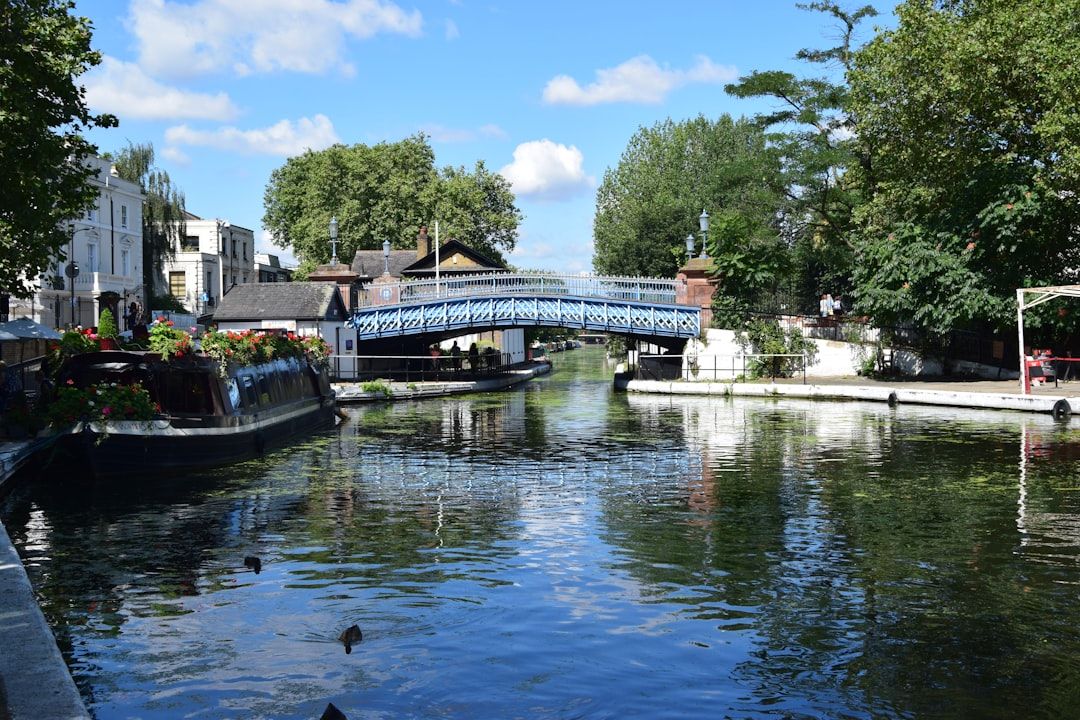
- Leave the last two hours unplanned. The walk from Wilton’s along Cable Street, or the towpath from Little Venice to Camden, is where the day actually happens.
When should you go?
London has no bad season, only badly chosen hours. Museums are emptiest between 09:30 and 11:00 and in the last ninety minutes before closing. January and February are the cheapest months for accommodation and the quietest in the galleries; late May and September have the best combination of daylight and manageable crowds. Avoid the last two weeks of August, when every family in Europe is in Zone 1 at once.
Planning a wider European trip? Our guides to quieter corners of Paris and Lisbon’s cultural tours apply the same opening-hours logic to two cities where it matters just as much.
Frequently Asked Questions
What are the best free things to do in London?
Sir John Soane’s Museum in Holborn, the Wallace Collection behind Oxford Street, Postman’s Park near St Paul’s, the ruined garden at St Dunstan-in-the-East, and God’s Own Junkyard in Walthamstow are all free. Soane opens Wednesday to Sunday only and God’s Own Junkyard Friday to Sunday, so check days before travelling.
How much does a day out in London cost?
Around £35–55 per person if you walk between sights, eat at a market and visit one paid house. Transport is capped at roughly £8.90 a day in Zones 1–2 on contactless or Oyster, market lunch runs £9–14, and a paid museum house is £10–20.
Is the Sky Garden worth it?
Only if you book. Entry is free but slots are released about three weeks ahead and the good evening ones go immediately. The walk-up queue frequently exceeds an hour. The Garden at 120 Fenchurch Street is also free, open to walk-ups, and has an open-air terrace rather than tinted glass.
Where do Londoners actually eat rather than Borough Market?
Maltby Street Market in Bermondsey at weekends, Brixton Village and Market Row daily, and Whitecross Street near the Barbican on weekday lunchtimes. All three cost £7–18 a plate and none has Borough’s Saturday crush. Borough itself is genuinely good on a weekday morning.
Do I need a guide to see London properly?
Not for the places on this page, which are self-guided. If you want the Tower of London or Westminster Abbey explained properly, hire a Blue Badge guide — the Institute of Tourist Guiding qualification is the only one licensed to guide inside those buildings. Expect £180–250 for a half day for a small group.