Quick answer: The best lesser-known places in the USA are not the most remote ones. They sit two to four hours from a mid-size airport, cost $110–190 a day for two people including the hire car, and the good ones are protected by a booking gate — a ferry, a cave tour, a timed permit — rather than by distance.
The word that ruins most American travel planning is ‘undiscovered’. Every list promises places nobody knows about, then sends you to a canyon with a 40-minute queue for the same photograph. The thing to understand is that in the United States, quiet is almost never a function of remoteness. It is a function of friction. Somewhere that requires a boat, a reservation you had to make in February, or a two-hour drive on a road with no chain restaurants will stay quiet for decades. Somewhere you can reach on a whim from an interstate exit will not, however obscure it sounds.
So this list is built backwards from that. Twelve places, each one anchored to the airport you would actually fly into, with the drive time, the booking gate you need to clear, and an honest note on what it is like when you get there. I have left out anywhere that has become a car park with a view. Prices below are 2026 estimates in US dollars and move around; treat them as a planning range, not a quote.
Why is most ‘quieter corners USA’ advice useless?
Two reasons. First, most lists are national-park lists in disguise, and America’s national parks are the single most crowded category of American landscape. Zion took over four million visitors in a recent year on a canyon floor you can walk end to end in an afternoon. Calling any of the top fifteen parks a discovery is simply wrong.
Second, the lists never mention the gate. Half the genuinely good places in this country now run on timed entry, a lottery, or a boat that sails once a day and sells out. If you turn up at Congaree in South Carolina hoping to see the synchronous fireflies without having entered the lottery in April, you will see a boardwalk in the dark. That single practical fact is worth more than a paragraph about how the light falls through the cypress.
Key point: Book the gate first, then build the trip around it. Everything else in American travel is flexible.
Which airports put a real detour within four hours?
Flying into a secondary airport is usually cheaper than the hub, and it puts you closer to the places worth driving to. This is the shortlist I actually use.
| Fly into | Drive to | Time behind the wheel | Why bother |
|---|---|---|---|
| El Paso, TX (ELP) | Marfa, West Texas | 3 hr | Minimalist art in a railway town of 1,700 people |
| Tucson, AZ (TUS) | Bisbee | 1 hr 45 | A copper town built vertically into a canyon |
| Montrose, CO (MTJ) | Ouray | 1 hr 15 | Box canyon, hot springs, the Million Dollar Highway |
| Portland, OR (PDX) | Astoria | 2 hr | Columbia River town, no resort feel at all |
| Charleston, WV (CRW) | New River Gorge | 1 hr | Newest national park, oldest river |
| Savannah, GA (SAV) | Beaufort, SC | 1 hr | Lowcountry without the Charleston prices |
| Bismarck, ND (BIS) | Theodore Roosevelt NP | 2 hr 30 | Bison, badlands, and almost nobody |
| Columbus, OH (CMH) | Hocking Hills | 1 hr | Sandstone gorges an hour from a major city |
The twelve places, and what each is actually like
Marfa, Texas — art in the middle of nothing
A high-desert town on US-90 with a population under 2,000 and a permanent installation of one hundred milled aluminium boxes by Donald Judd. Chinati Foundation tours run in two halves and need booking weeks ahead in spring; budget around $25–45 depending on which you take. The Prada shopfront everyone photographs is half an hour northwest towards Valentine, and it is a sculpture, not a shop. The Marfa Lights viewing area sits about nine miles east on the highway and is free.
Honest note: many galleries and the better restaurants close Monday and Tuesday, and July temperatures sit above 38°C. Come in late October or March.
Bisbee, Arizona — a mining town that never got tidied up
Streets stacked up the sides of Tombstone Canyon, 1,700 metres up, so it stays 10°C cooler than Tucson in summer. The Queen Mine tour takes you underground on the old ore train for about $16 and is run by retired miners, which is the whole point. Stay in Old Bisbee rather than the highway motels.
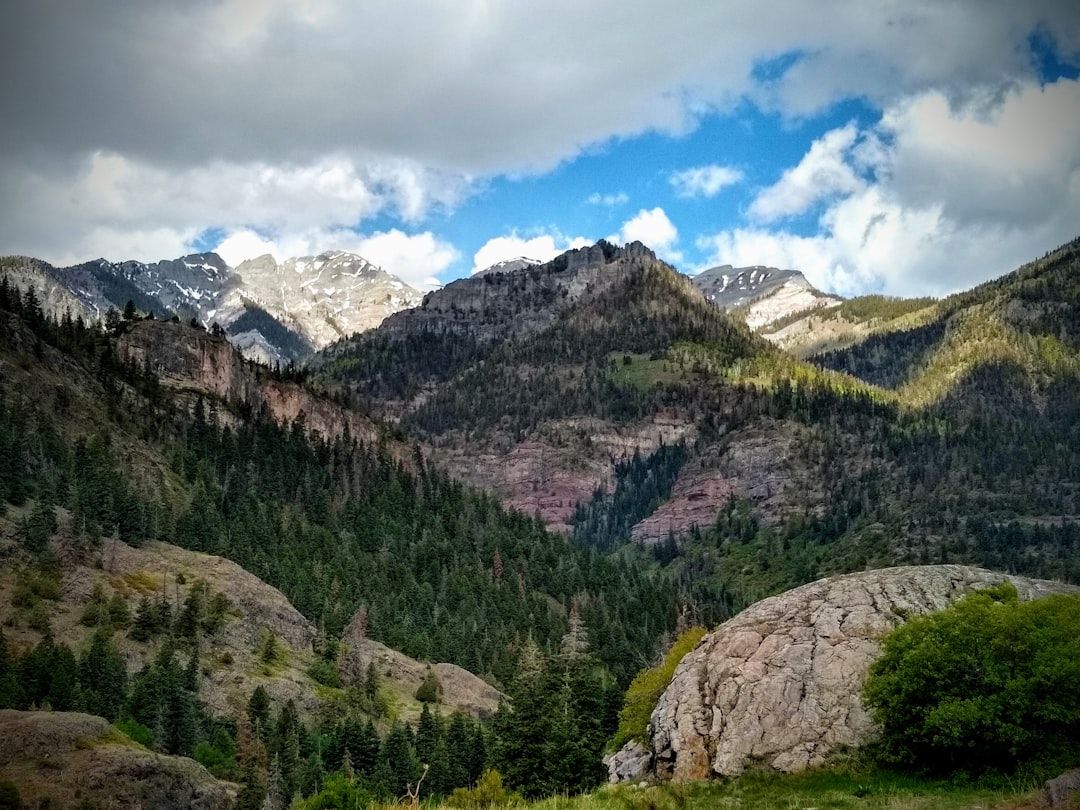
Ouray, Colorado — the box canyon town
Population around 900, ringed on three sides by peaks over 4,000 metres. The municipal hot springs pool costs roughly $22 for an adult day pass and is genuinely a town pool, not a spa. Ouray Ice Park is free to climb in winter if you bring your own kit. The Million Dollar Highway south to Silverton has no guard rails for long stretches; it closes in storms and is not the drive to do at night.
Taos, New Mexico — adobe, and a living pueblo
Taos Pueblo has been continuously inhabited for around a thousand years and charges roughly $16 to visit. It shuts to visitors for several weeks in late winter for ceremonies, and photography rules are strict — ask, every time. The Rio Grande Gorge Bridge is ten minutes west and free.
Astoria, Oregon — a working river town
Two hours from Portland at the mouth of the Columbia. The Columbia River Maritime Museum is around $18 and one of the best small museums in the country; the Astoria Column costs $5 for a parking permit valid a full year. Sea lions occupy the East Mooring Basin and are loud enough to hear from the main street. It rains constantly from November to March, and that is when the town is best.
Door County, Wisconsin — the Midwest’s coastline
A peninsula between Green Bay and Lake Michigan, three hours from Milwaukee. Cherry harvest runs through July; the fish boil at a place like Rowleys Bay is a genuine local tradition and costs about $30 a head. Book accommodation by March for July, or do not bother.
New River Gorge, West Virginia — the newest national park
Redesignated from a national river in December 2020 and still not busy. Entry is free. The Endless Wall Trail is 3.6 km of clifftop with almost no barriers. Bridge Day, on the third Saturday in October, is the one day of the year the bridge closes to traffic and people BASE jump off it; it is also the one day the area is packed.
Beaufort, South Carolina — Lowcountry at half the price
An hour from Savannah, ninety minutes from Charleston, and a fraction of either in accommodation cost. Take the ferry or drive to St Helena Island for the Gullah Geechee cultural corridor; the Penn Center is one of the first schools founded for formerly enslaved people in the South and charges a few dollars.
Mackinac Island, Michigan — no cars since 1898
Ferry from Mackinaw City runs about $32 return. There are no motor vehicles on the island; you walk, cycle the 13 km perimeter road, or take a horse-drawn taxi. Go in September, after the fudge-shop coaches thin out and before the ferries stop for winter.
Finger Lakes, New York — gorges and cold-climate wine
Watkins Glen State Park’s gorge trail climbs past nineteen waterfalls for a $10 parking fee. Ithaca is four hours from New York City, ninety minutes from Rochester or Syracuse. Riesling here is genuinely good and tastings run $10–20 rather than California’s $40.
Theodore Roosevelt National Park, North Dakota — badlands with bison
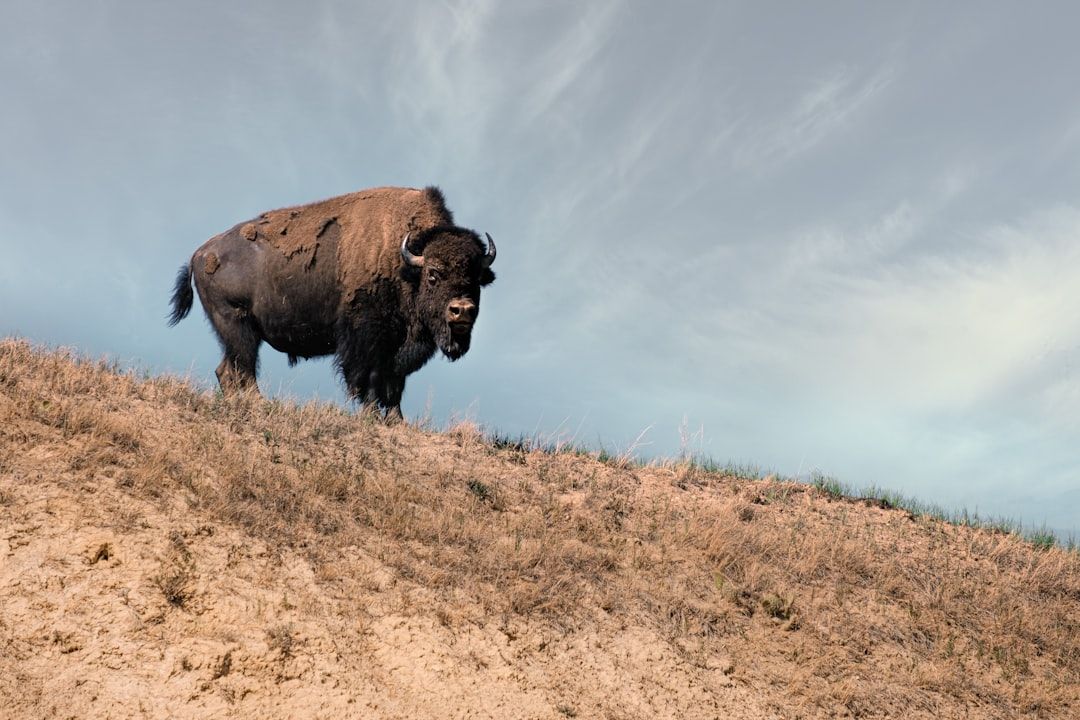
One of the least visited national parks outside Alaska. The 58 km scenic loop in the South Unit puts you within metres of free-roaming bison and wild horses. Medora, the gateway town, half shuts outside summer. Entry is $30 per vehicle or covered by the $80 annual pass.
Hocking Hills, Ohio — sandstone an hour from Columbus
Old Man’s Cave, Ash Cave and Cedar Falls are free to enter and connected by a well-built trail system. This is the one on the list that is not remote at all, which is why it is busy at weekends and empty on a Tuesday morning in April.
And five parks that stay quiet because of the gate
- Isle Royale, Michigan — open roughly mid-April to the end of October only, reachable by ferry or seaplane from Michigan or Minnesota. Consistently the least visited national park in the lower 48.
- Dry Tortugas, Florida — 110 km west of Key West by ferry, about $220 return including the park fee and meals, one sailing a day.
- Channel Islands, California — an hour by boat from Ventura, roughly $70 return to Santa Cruz Island, no shops or accommodation on the island.
- Great Basin, Nevada — Lehman Caves tours need advance reservation and cost around $15; the Wheeler Peak road closes in winter. Some of the darkest skies in the country.
- Congaree, South Carolina — free entry, a 4 km boardwalk loop through old-growth bottomland, and a firefly lottery in April for viewing dates in late May.
What does a hidden-gems trip in the USA actually cost?
These are per-day figures for two people sharing, in 2026 dollars, including a hire car and fuel but excluding flights. American road trips are expensive in one specific place — the car — and cheap in another, which is the food if you eat where locals eat.
| Line item | Lean | Comfortable | Indulgent |
|---|---|---|---|
| Bed for two | $60–90 (motel, campsite) | $120–180 (inn, mid hotel) | $250–400 |
| Hire car per day | $40–55 (compact) | $60–85 (mid-size) | $95–140 (SUV) |
| Fuel | $18–30 | $25–40 | $35–55 |
| Food for two | $35–50 | $70–110 | $150–250 |
| Entries and tours | $0–15 | $25–50 | $60–150 |
| Daily total | $155–240 | $300–465 | $590–995 |
The single biggest saving available is the America the Beautiful annual pass at $80. It covers entry for everyone in one vehicle to every federal recreation site. Three national parks and it has paid for itself.
What is overrated?
Being specific here matters more than being polite.
- Antelope Canyon, Arizona. You cannot enter without a Navajo-guided tour, which runs $80–120 for roughly an hour, and in season you move through the slot shoulder to shoulder on a fixed schedule. It is beautiful and it is nothing like the empty photographs.
- Horseshoe Bend. $10 to park, a 20-minute walk, and a crowd at the rail. Fine. Not a discovery.
- Sedona vortex tours. $90–150 for a jeep ride to a viewpoint you can walk to. The hiking around Sedona is genuinely excellent and free.
- Marfa in high summer. Above 38°C, half the town shut, and the light everyone comes for is best in the shoulder months anyway.
- Anywhere with more than about 100,000 posts under its location tag. That number is a reliable predictor of a queue.
How do you plan a hidden-gems road trip in the USA?
- Choose the airport before the destination. Search flights to three or four secondary airports for your dates, then look at what sits within a four-hour drive of the cheapest one. This inverts the usual process and routinely saves $200 a ticket.
- Clear the booking gate next. Ferries, cave tours, timed entry and lotteries sell out months in advance. Isle Royale, Dry Tortugas, Chinati and the Congaree firefly lottery all need action before you book anything else.
- Reserve the one bed that exists. Small towns have twenty rooms, not two thousand. In Ouray, Marfa or Door County the accommodation sells out long before the flights do.
- Buy the $80 annual pass if you will visit three or more federal sites. It is per vehicle, not per person, and works at national parks, monuments and many trailheads.
- Plan around 250 km of driving a day, not 500. The point of these places is the road between them. Two long transfer days at the ends of a trip beat six medium ones.
When should you go?
| Months | Best for | Watch out for |
|---|---|---|
| March–May | Desert Southwest, Texas, the South | Spring break crowds mid-March; snow still closing high mountain passes |
| June–August | Upper Midwest, Michigan, the Rockies, Alaska | Peak prices everywhere; Southwest heat is dangerous |
| September–October | Almost everywhere — the best window in the country | Hurricane season on the Atlantic and Gulf coasts through November |
| November–February | Florida, southern Arizona, the Pacific Northwest in the rain | Seasonal towns and ferries shut entirely; mountain roads close |
If you can only travel once, take the last two weeks of September. Prices drop the day after Labor Day, the weather holds across most of the country, and the crowds go back to school.
If you are weighing up the States against a European trip, the same booking-gate logic applies there too — see our guide to quieter corners of Europe for the equivalent list. Travelling south instead? Our Mexico City local tours guide covers the neighbourhood-led walks that make that city work.
Frequently Asked Questions
What actually counts as a quieter corners in the USA?
A place with fewer than roughly half a million annual visitors that still has somewhere to sleep and eat within twenty minutes. In practice that means secondary national parks, small towns two to four hours from a mid-size airport, and any site protected by a ferry, permit or timed-entry system.
Which US national park is the least crowded?
Excluding Alaska, Isle Royale in Michigan is consistently the least visited, taking under 30,000 people a year. It is only open from roughly mid-April to late October and is reachable solely by ferry or seaplane, which is exactly why it stays quiet.
How much does a US road trip to lesser-known places cost per day?
Two people travelling together should budget $155–240 a day at the lean end and $300–465 comfortably, excluding flights. The hire car and fuel typically account for a third of that. An $80 America the Beautiful annual pass covers park entry for the whole vehicle.
Do I need a car for these places?
For eleven of the twelve, yes. Mackinac Island is the exception and bans motor vehicles outright — you leave the car at the ferry terminal in Mackinaw City. American intercity buses and trains do not usefully serve small-town destinations, so a hire car is a fixed cost rather than a choice.
When is the cheapest time to travel in the USA?
The first three weeks of December and the stretch from mid-January to early March are the cheapest nationally, though many seasonal towns close. For the best combination of price and conditions, travel in the two weeks after Labor Day in September, when rates fall but the weather has not yet turned.